
Hippo
Where to see Hippo in Ngorongoro
Large, mostly aquatic mammals with powerful jaws, often seen in rivers and lakes in Africa.
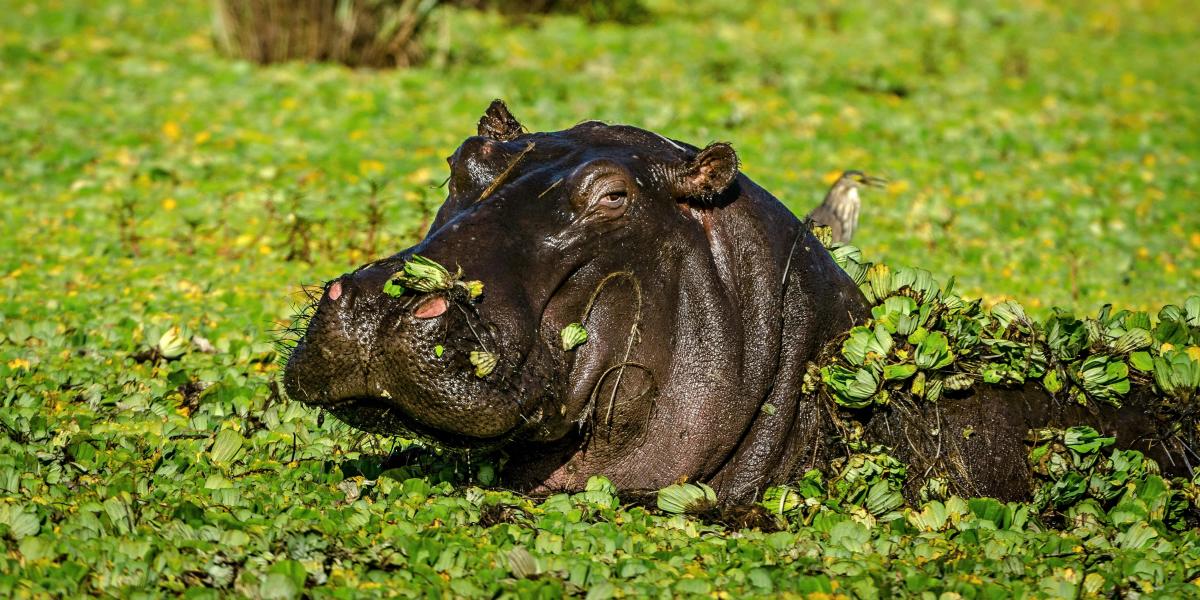
Quick Facts about Hippo
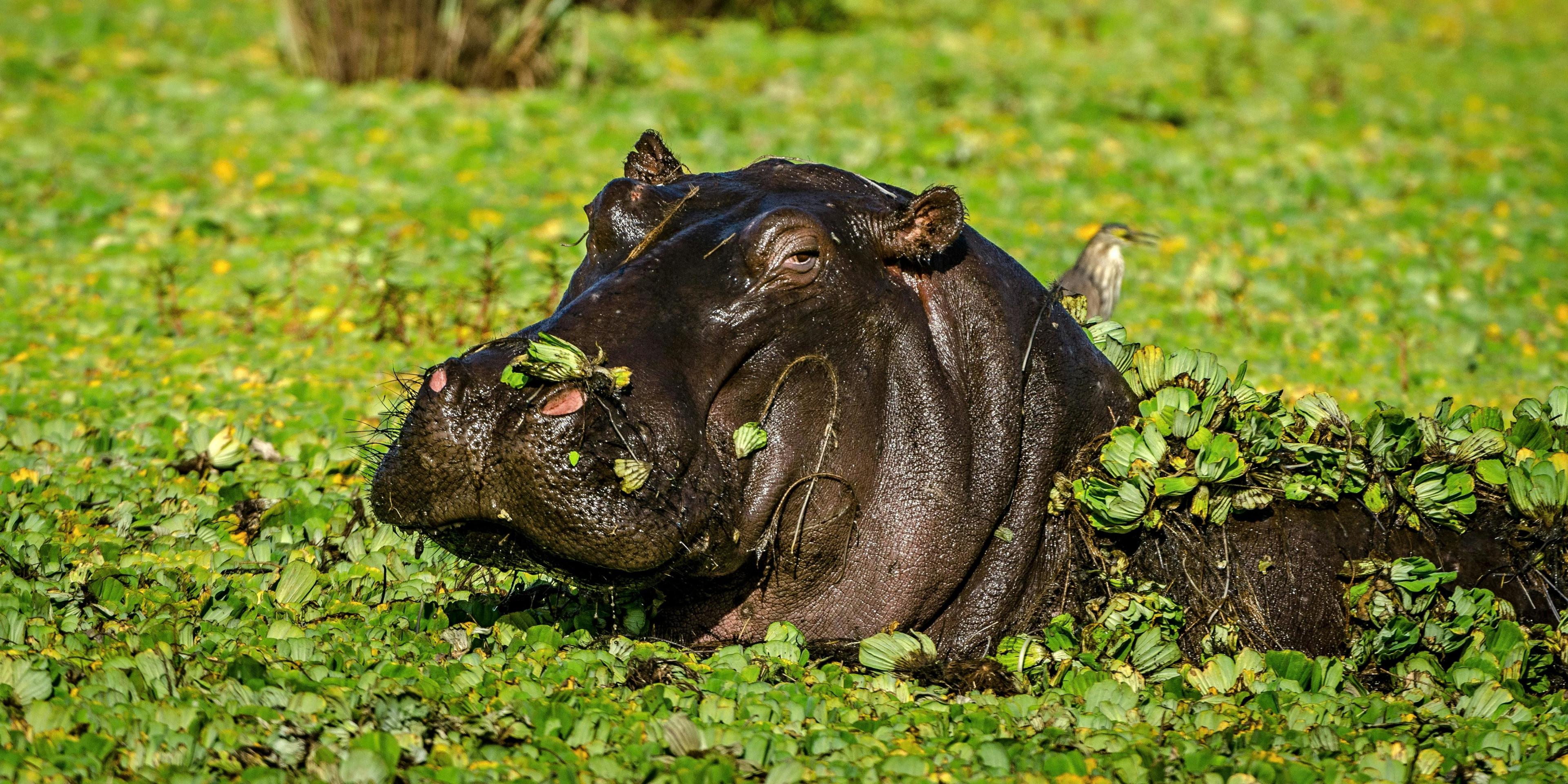
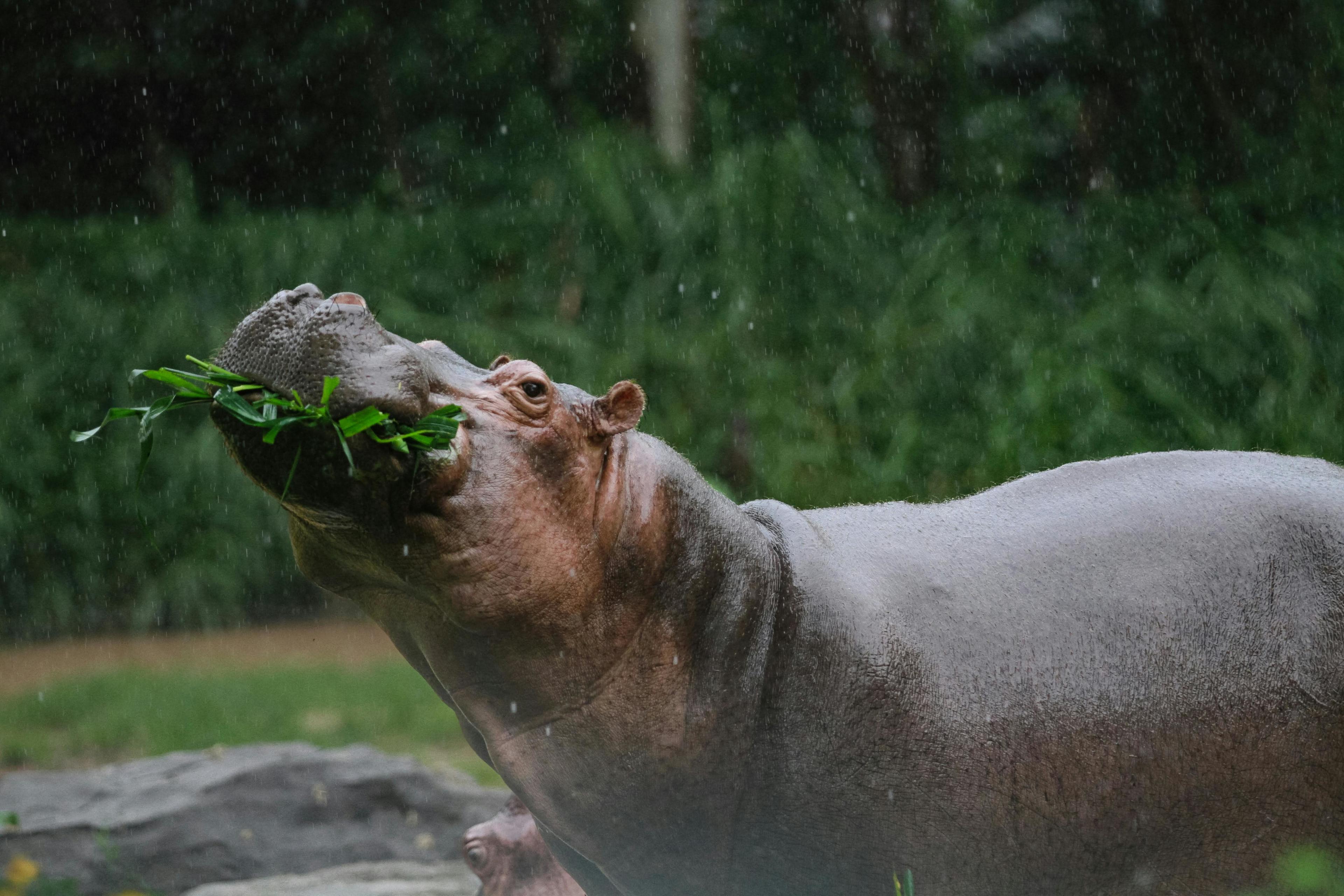
Hippos are semi-aquatic mammals that spend most of the day submerged in rivers and lakes to stay cool. At night, they emerge to graze on grass, sometimes travelling long distances from water sources. Despite their seemingly slow pace, hippos are highly territorial in water and can be extremely dangerous.
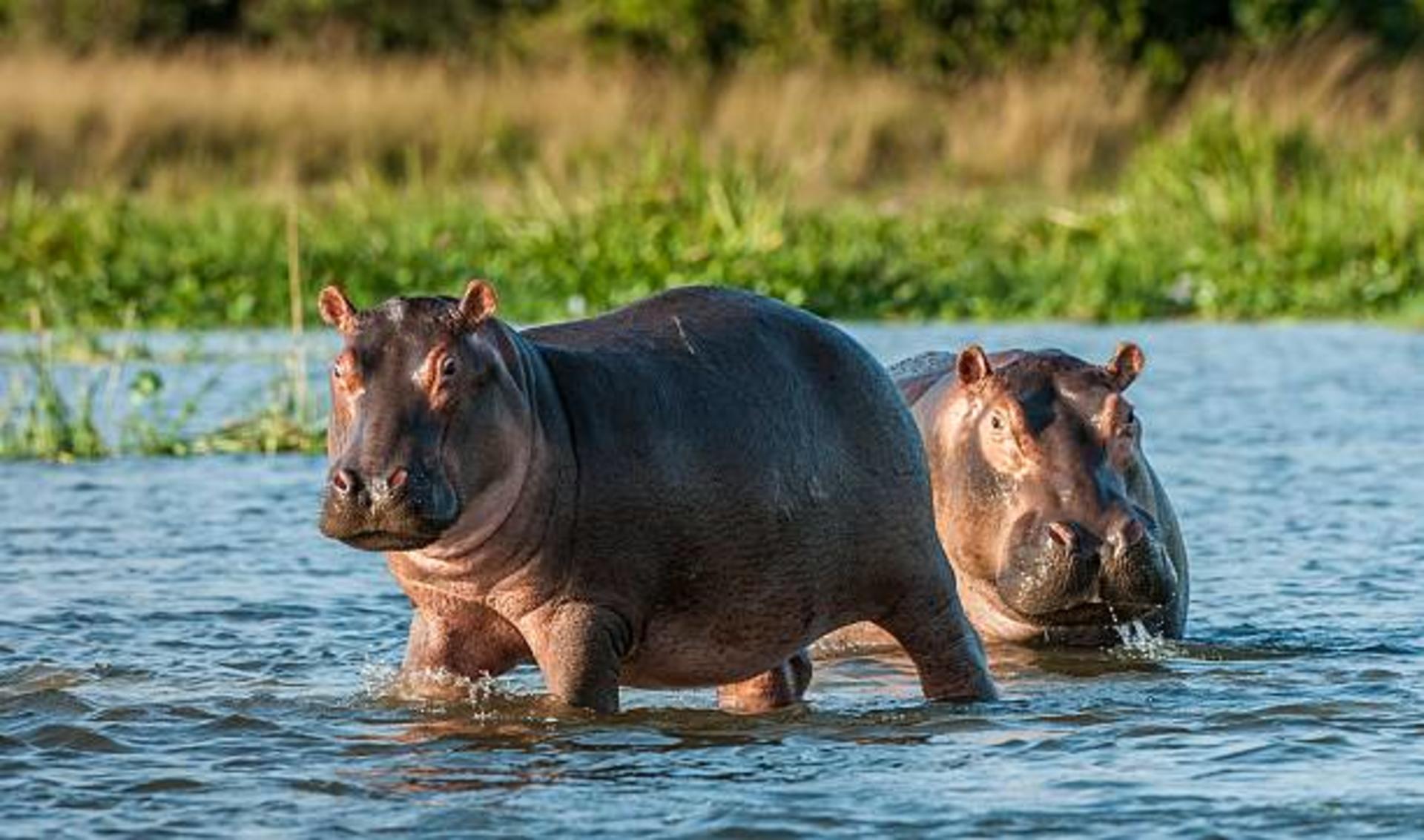
They live in pods that can include dozens of individuals, providing social cohesion and protection for calves. Their massive jaws and tusks are primarily used for defense and establishing dominance within the group.
Hippos influence aquatic ecosystems by shaping riverbanks and spreading nutrients through their dung, which supports fish and bird life. They are an iconic component of Africa’s waterways, offering spectacular sightings along rivers and lakes during game drives.
Up to 3,200 kg
40 years
Semi-aquatic
Herbivorous
Safaris where you can see Hippo in Ngorongoro
2-Day Tanzania Leisure Safari

4-Day Safari in Serengeti, Ngorongoro and Tarangrire NP

3-Day Ngorongoro Crater, Tarangire and Lake Manyara NP

2-Day Safari from Z'Bar to Serengeti & Ngorongoro Crater
4-Day Tanzania Northern Circuit Experience
4-Day Private Safari Migration Spot Northern Serengeti
Where to see Hippo in Ngorongoro
Hippos are a highlight on Ngorongoro Crater’s lakes and streams.
Top tips for viewing Hippo
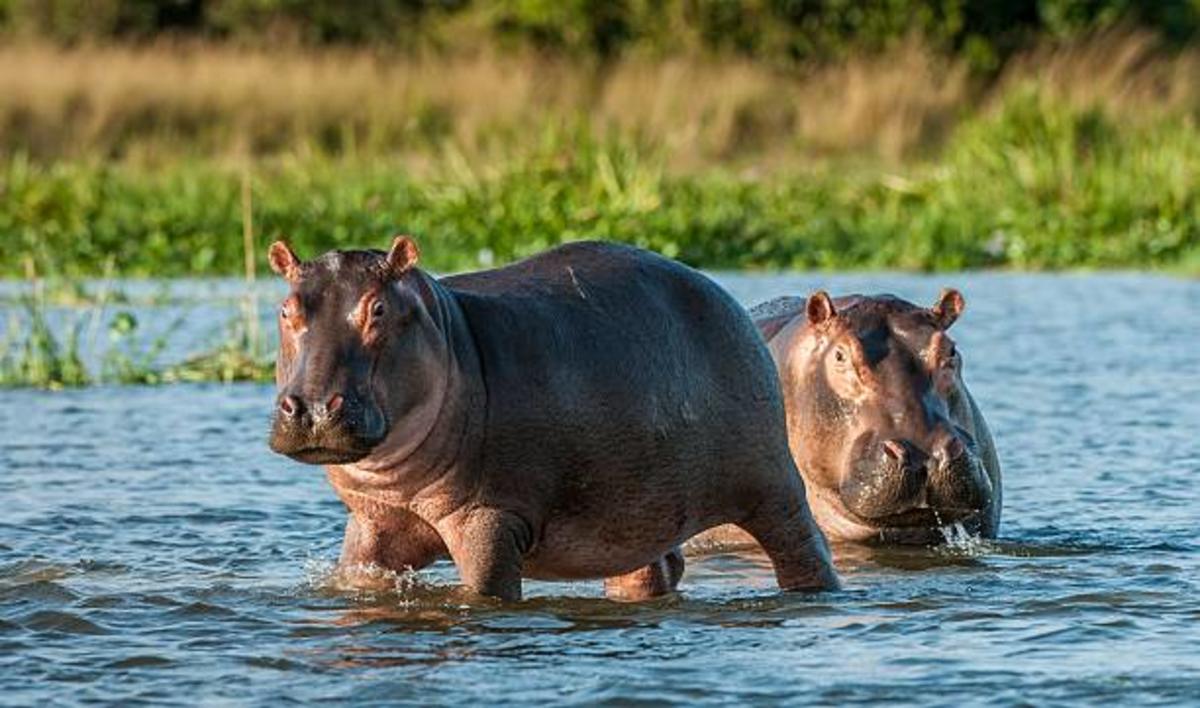
Ngorongoro Crater shelters hippos in its alkaline lakes and permanent streams, forming pods along the water’s edge. Their presence adds dynamic wildlife viewing to the crater’s already rich ecosystem of predators and herbivores.
Visitors can often see pods interacting, from playful nudges to territorial confrontations between dominant bulls. Crater floor drives allow multiple vantage points to observe hippos without disturbing them.
Morning and late afternoon offer optimal light for photography and wildlife observation. Guides can explain tracks, dung, and wallowing patterns that give insight into the daily routines of these aquatic giants.


Frequently Asked Questions
Find answers to the most common questions about this tour.
1
Where do hippos stay in Ngorongoro?
They occupy lakes and permanent streams on the crater floor, forming pods that are easily visible from game drive routes.
2
How do pods interact?
Hippos engage in social behaviours like gentle contact and occasional territorial disputes, which are observable during drives.
3
Best time to see them active?
Early morning and late afternoon, when temperatures are cooler and they may graze near water edges.
4
Can visitors get close?
Yes, game drives provide safe distances to watch without disturbing them, often with great photographic opportunities.
5
Any tips for guides?
Guides often interpret tracks, dung, and wallowing sites to help visitors understand hippo behaviour and movement patterns.