
Elephant
Where to see Elephant in Ngorongoro
Africa’s largest land mammal, known for intelligence, family bonds, and landscape-shaping behaviour.
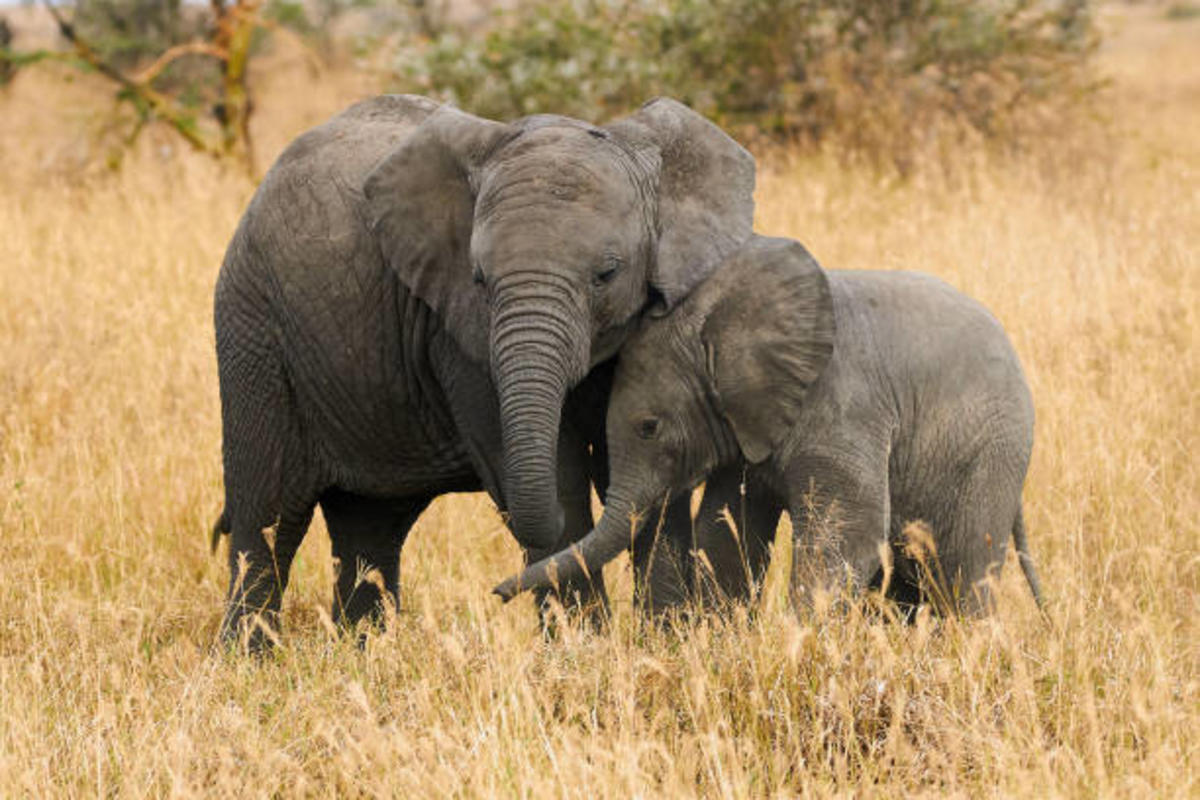
Quick Facts about Elephant
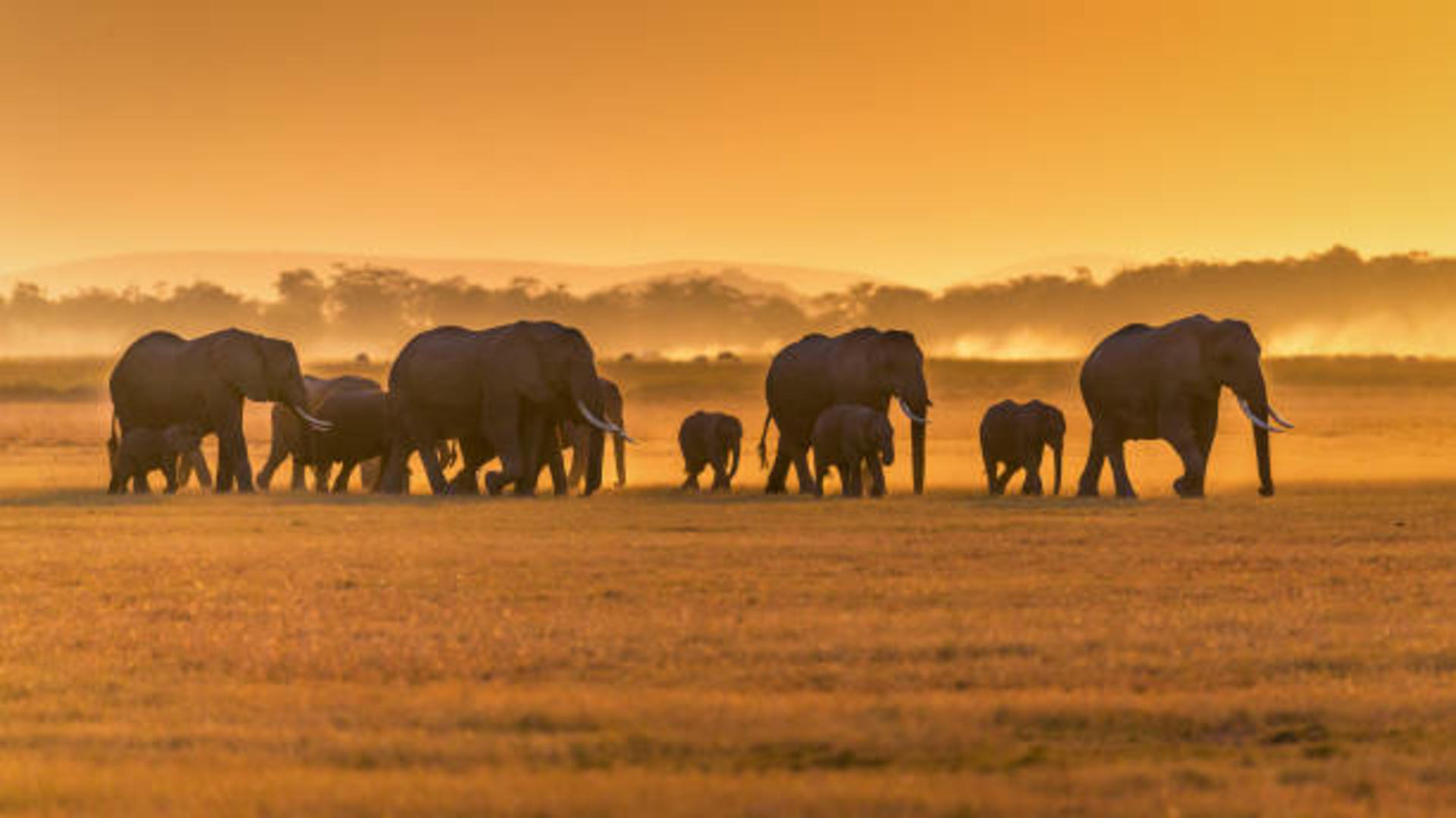
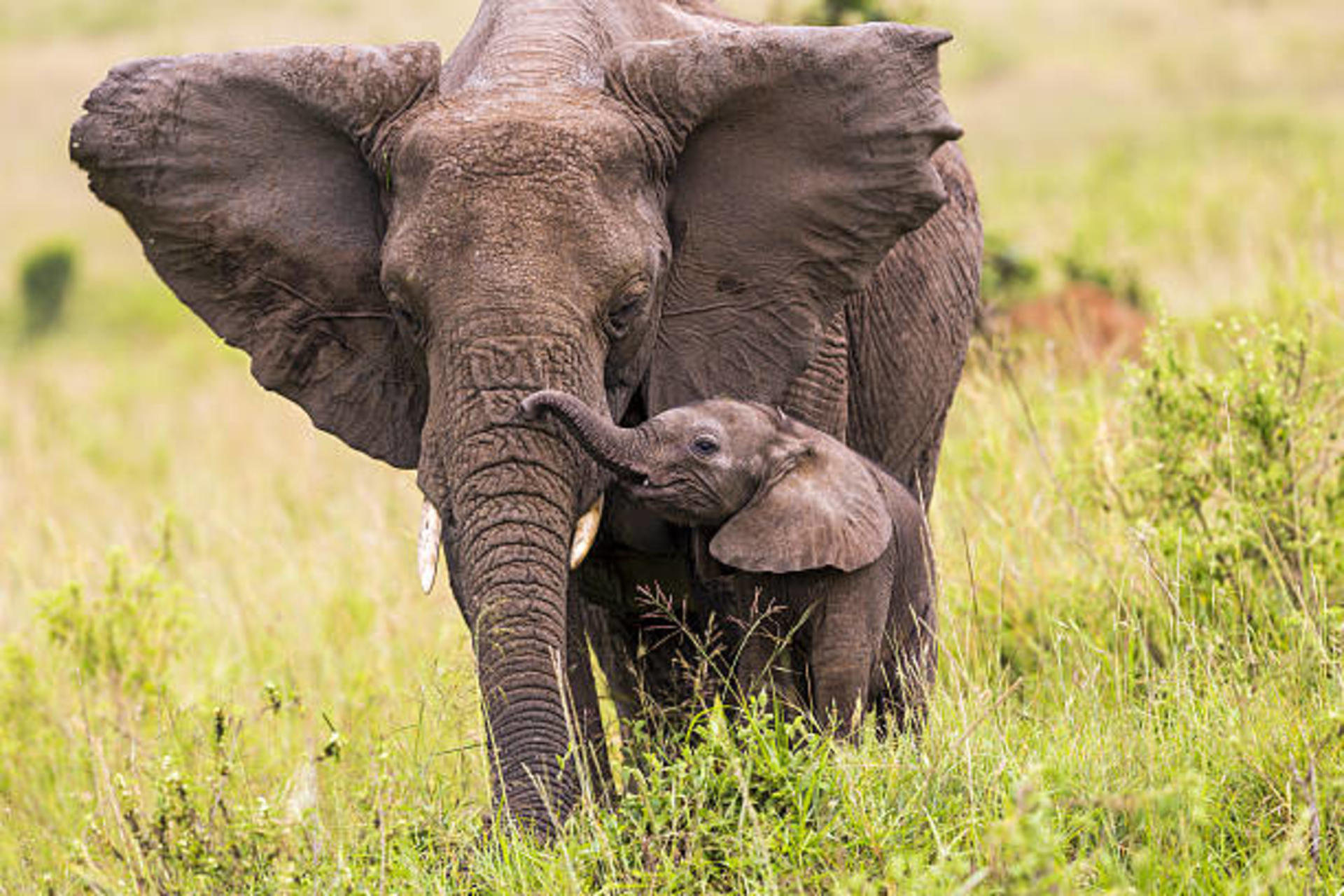
African elephants are iconic giants of the savannah and forest, using their trunks and tusks to feed, dig for water, and interact socially. Herds are matriarchal, with experienced females leading family groups that care collectively for calves. Bulls may roam singly or in bachelor groups after leaving the herd.
Elephants are ecosystem engineers: they create waterholes, disperse seeds, and forge paths that benefit many other species. Their low-frequency rumbles can travel for kilometres, allowing them to communicate over long distances, while strong memory guides seasonal movements between feeding and watering areas.
Savannah and forest elephants are adapted to different habitats. Calving is slow, with mothers investing heavily in a single calf, ensuring survival in predator-rich landscapes. Observing elephants in the wild provides insight into social cohesion, intelligence, and environmental impact.
Up to 6 tonnes
60–70 years
2 species
~8 litres
Safaris where you can see Elephant in Ngorongoro
2-Day Tanzania Leisure Safari
4-Day Safari in Serengeti, Ngorongoro and Tarangrire NP

3-Day Ngorongoro Crater, Tarangire and Lake Manyara NP
2-Day Safari from Z'Bar to Serengeti & Ngorongoro Crater
4-Day Tanzania Northern Circuit Experience
4-Day Private Safari Migration Spot Northern Serengeti
Where to see Elephant in Ngorongoro
Iconic tuskers on Ngorongoro Crater’s floor.
Top tips for viewing Elephant
Ngorongoro Crater is one of the few places in Africa where you can reliably see some of the last big-tusked male elephants. These giants wander the crater floor, often alone or in small bachelor groups, creating unforgettable photo opportunities.
While females and calves usually remain in the surrounding highlands, descending only occasionally, the crater floor offers intimate encounters with these calm but imposing bulls. Early morning drives catch them walking through misty grasslands, trunks swinging slowly as they head toward fresh grazing.
On the rim and surrounding conservation area, smaller herds graze forest glades. Combining a crater tour with time on the highlands increases your chance of seeing both the iconic bulls and family groups.





Frequently Asked Questions
Find answers to the most common questions about this tour.
1
Why are Ngorongoro elephants special?
They include some of the last big-tusked bulls.
2
Are females and calves in the crater?
Mostly in surrounding highlands, bulls are on the floor.
3
Best time to see them?
Morning for dramatic misty scenes.
4
Any tips?
Drive slowly and give them space; they’re calm but huge.
5
Can you see herds on the rim?
Yes, in forest glades outside the crater.