
Eland
Where to see Eland in Ngorongoro
The largest antelope in Africa, known for its graceful horns and calm nature.
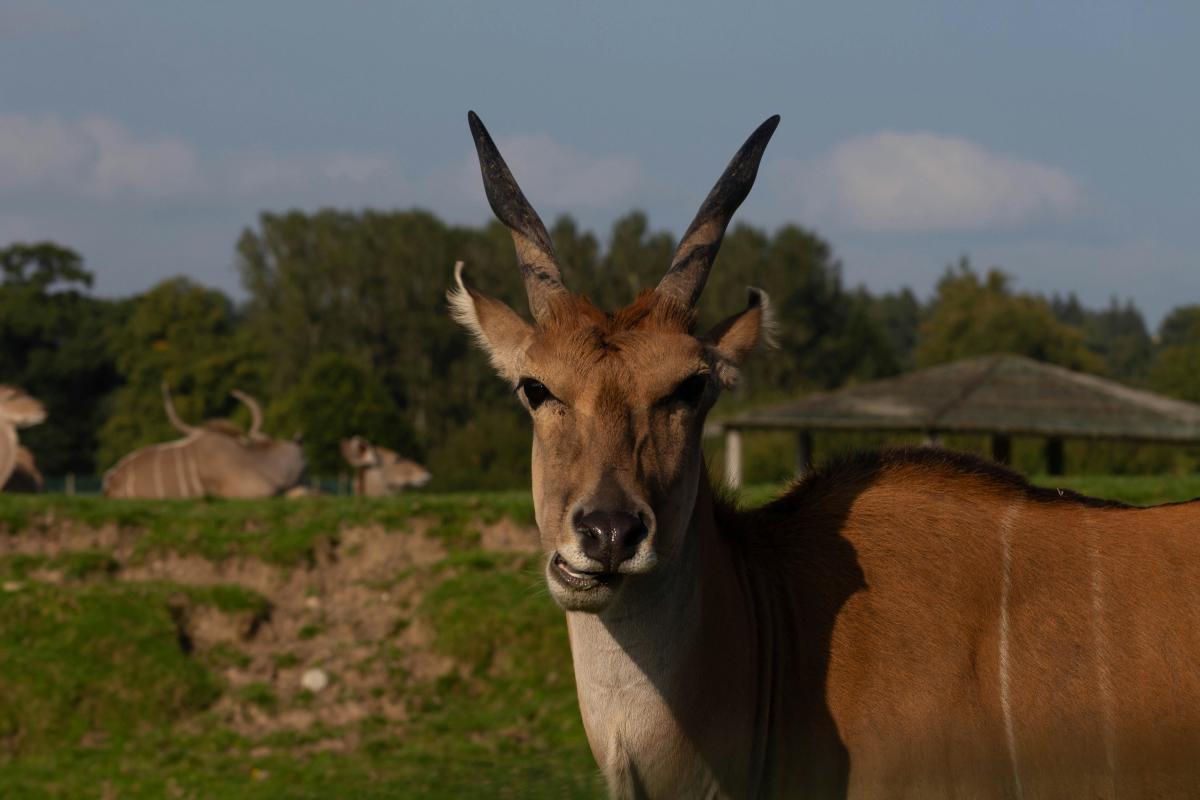
Quick Facts about Eland
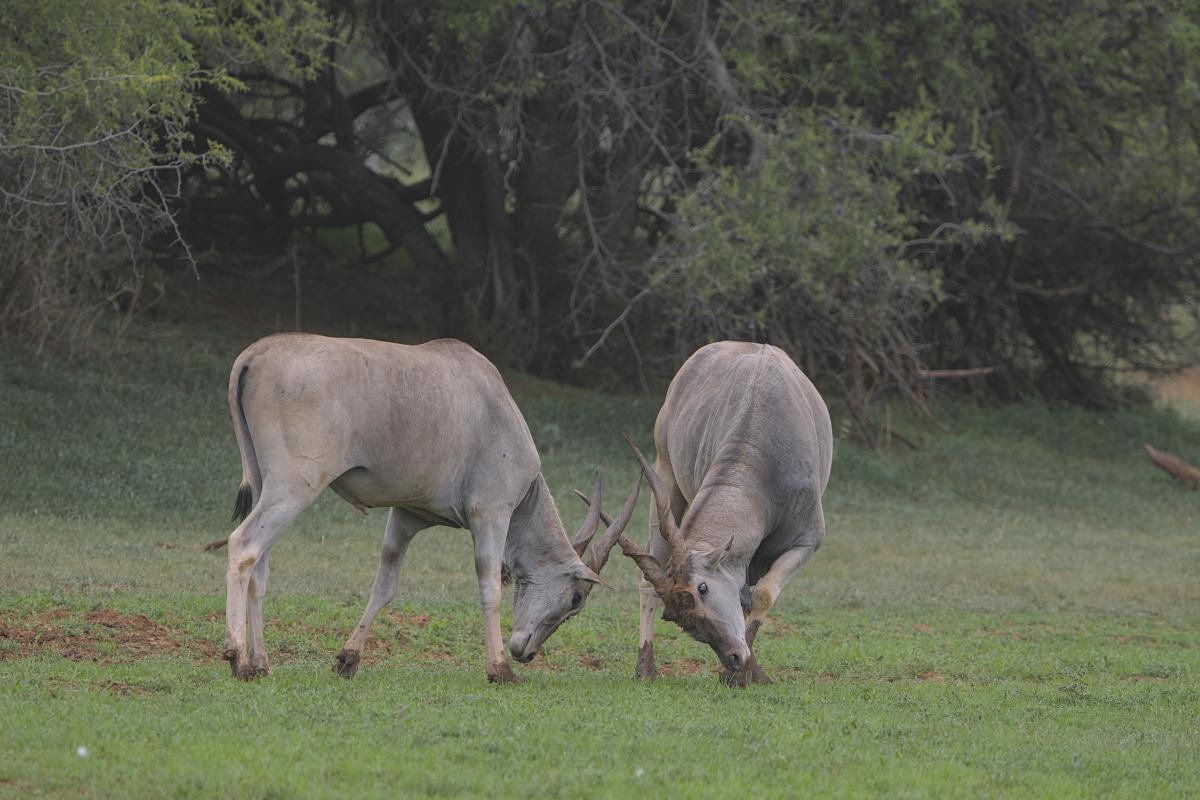
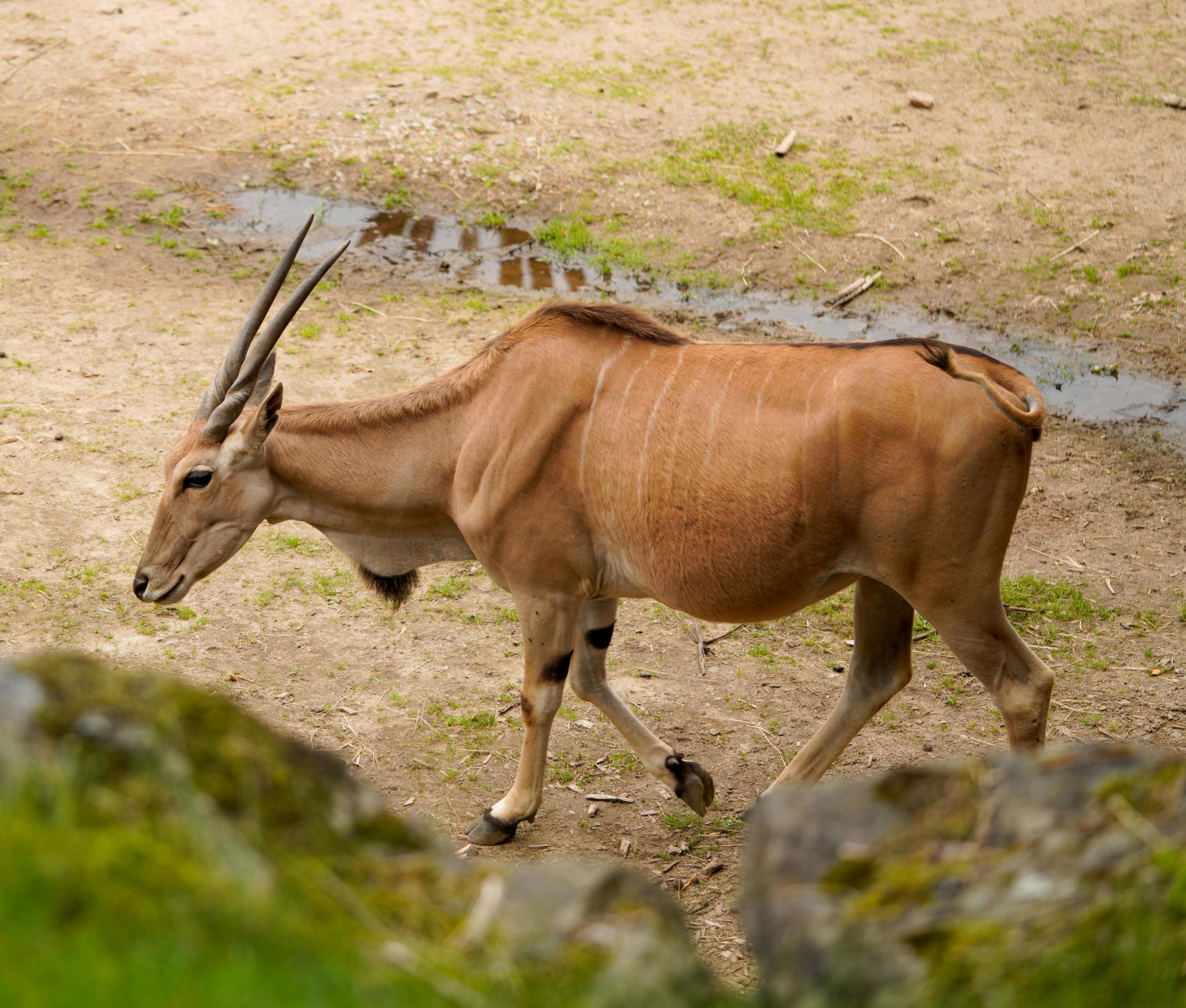
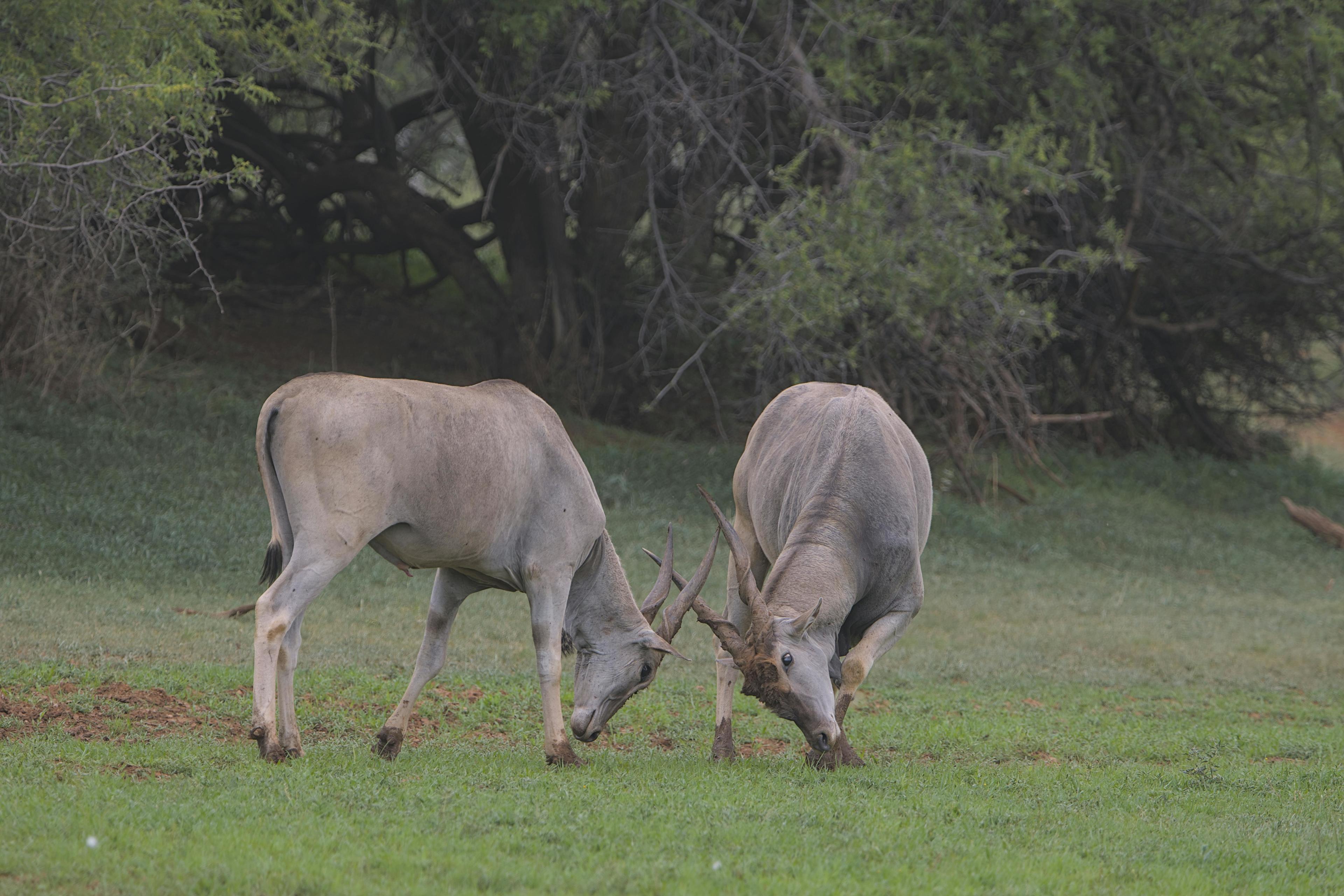
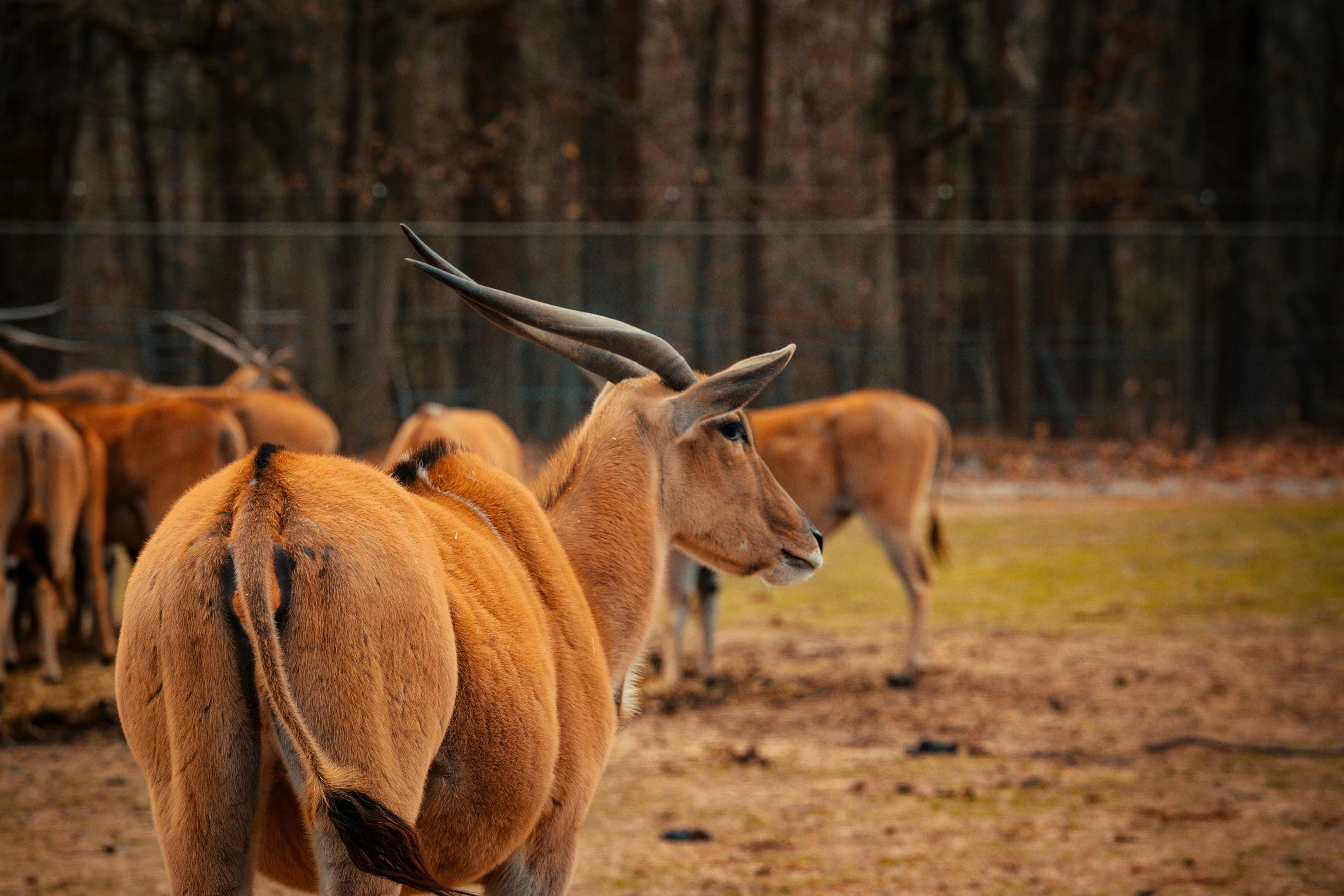
Elands are the largest antelopes in Africa, recognised by their impressive spiral horns and tall, sturdy bodies. They inhabit savannahs, open woodlands, and grasslands, feeding on a variety of leaves, grasses, and fruits. Known for their calm and social nature, elands often form small herds that can travel long distances in search of water and fresh forage.
These gentle giants play an important ecological role by grazing on shrubs and trees, shaping the vegetation and creating opportunities for smaller herbivores. Their alertness and strong sense of smell help them detect predators, while their large size and powerful legs allow them to flee quickly when threatened.
Elands give birth to single calves that grow quickly and remain under maternal care for months. Their herds are fluid, sometimes joining with other antelope species, which can lead to fascinating mixed-species interactions on the African plains.
Up to 1,000 kg
Spiral horns
10–15 years
6–8 km/h
Safaris where you can see Eland in Ngorongoro
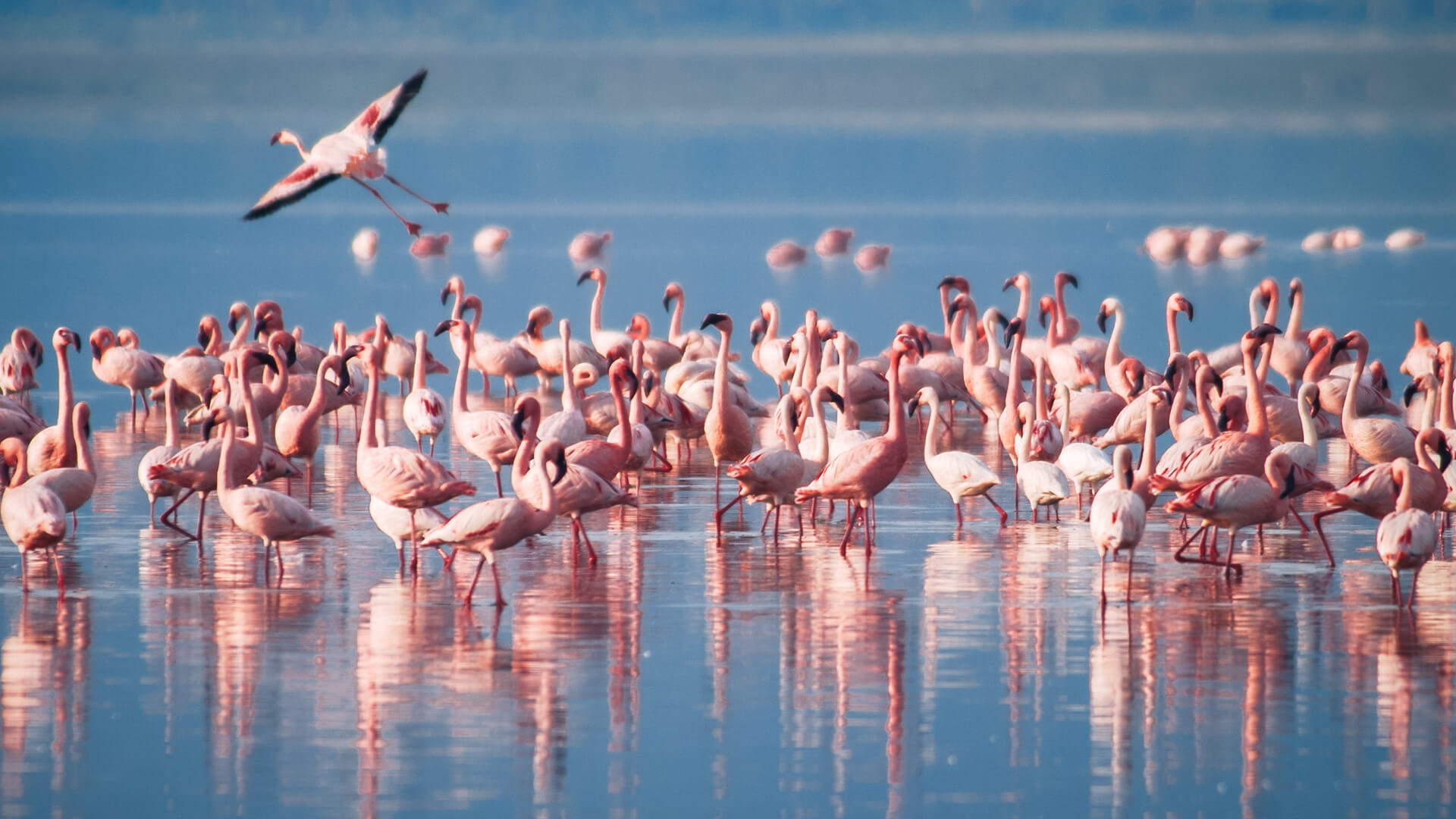
2-Day Tanzania Leisure Safari
4-Day Safari in Serengeti, Ngorongoro and Tarangrire NP

3-Day Ngorongoro Crater, Tarangire and Lake Manyara NP
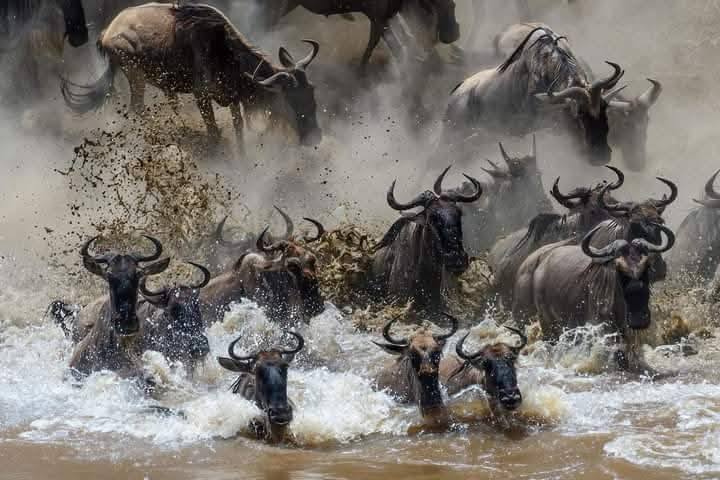
2-Day Safari from Z'Bar to Serengeti & Ngorongoro Crater
4-Day Tanzania Northern Circuit Experience
4-Day Private Safari Migration Spot Northern Serengeti
Where to see Eland in Ngorongoro
Small herds on the Ngorongoro Crater floor
Top tips for viewing Eland
Eland are among the few large antelopes regularly seen on the Ngorongoro Crater floor. They graze the grassy areas but retreat to the woodland edges in hotter hours. Look for them early in the morning when they’re most active.


Frequently Asked Questions
Find answers to the most common questions about this tour.
1
How common are eland in Ngorongoro?
They are present year-round in small numbers.
2
Where are they easiest to find?
On open grasslands near woodland edges.
3
Do they mix with other animals?
Yes, sometimes near zebra and buffalo herds.
4
What time of day is best?
Early morning or late afternoon.
5
Do they calve in the crater?
Calving happens on the crater rim and nearby highlands, but some young are seen inside.